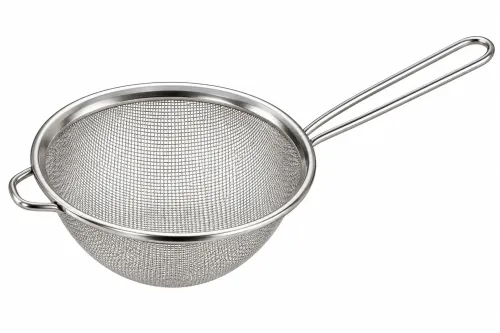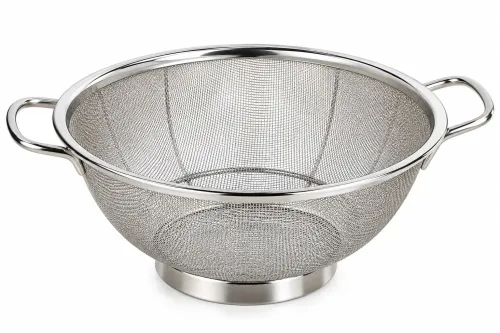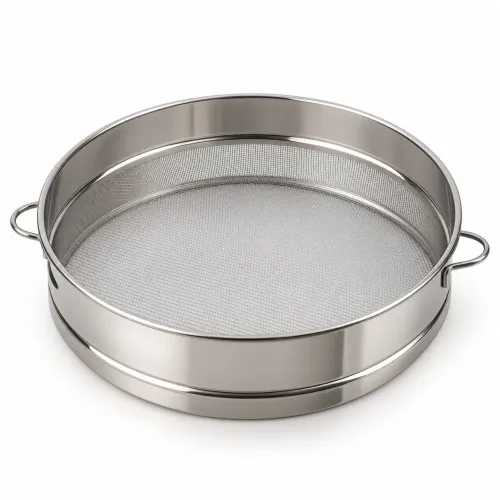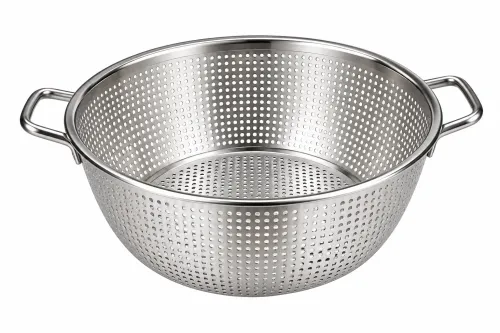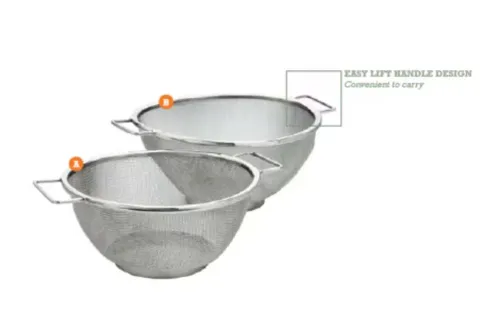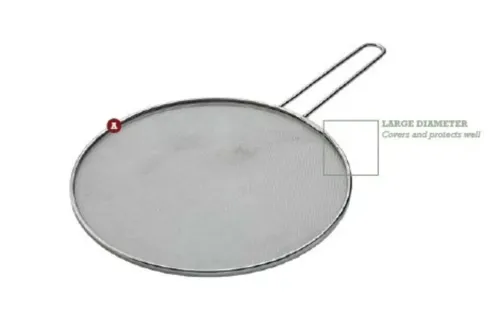
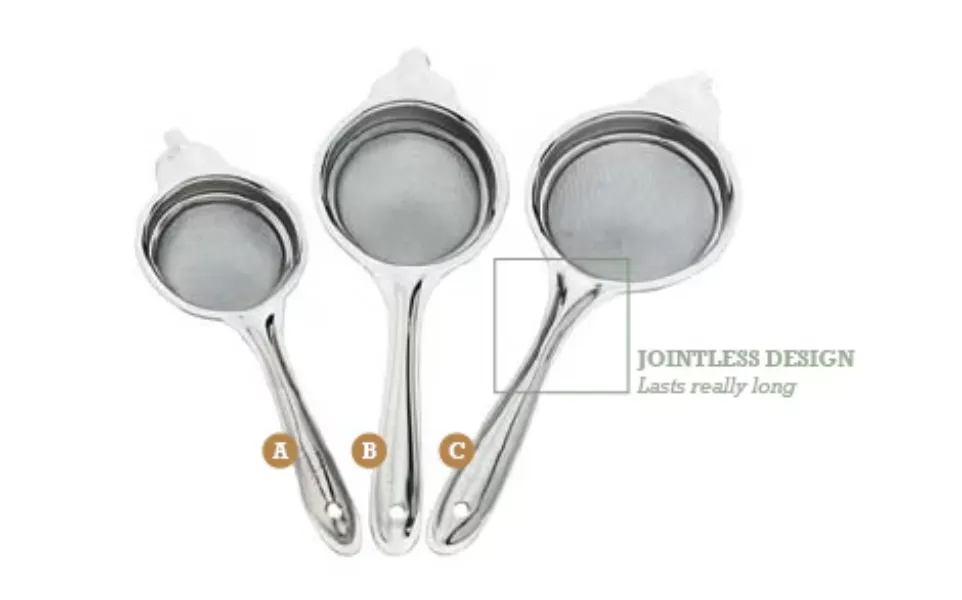
Businesses purchasing strainers in commercial quantities need more than an attractive product photograph and a competitive quotation. Choosing a dependable Wire Mesh Strainer Manufacturer requires attention to product specifications, manufacturing consistency, finishing, communication, and repeat supply capability.
For dealers, distributors, hotels, restaurants, catering suppliers, and exporters in Mumbai and across Maharashtra, these factors can help determine whether a manufacturer is ready to support ongoing procurement.
The Manufacturer Can Explain Product Specifications
A reliable supplier should be able to discuss relevant product details rather than relying entirely on generic descriptions.
Depending on the strainer, buyers may need information about:
- Overall dimensions
- Mesh configuration
- Frame design
- Handle construction
- Material
- Available sizes
- Packaging
- Order quantities
Clear specifications allow businesses to compare products properly.
Samples Reflect Commercial Expectations
For substantial orders, a sample is one of the most useful evaluation tools.
Examine how the mesh is secured, whether the frame is stable, whether the handle is properly fitted, and whether finishing is appropriate for the intended application.
The sample should also be compared with the agreed production specification. Buyers should clarify how consistency will be maintained during larger orders.
The Product Range Matches the Buyer's Market
More products do not automatically mean a better manufacturer.
A distributor supplying restaurants may value several practical strainer sizes. A retailer may require household-oriented products. An exporter may have specific dimensional and packaging requirements.
The right manufacturer should have capabilities relevant to the buyer's market rather than simply presenting a large catalogue.
Repeat Supply Is Discussed Upfront
A common procurement problem appears after a product begins selling well and the buyer discovers that the same specification is difficult to reorder.
Commercial buyers should ask which products are regularly manufactured and whether specific dimensions can be maintained for repeat requirements.
This is particularly important for distributors that want to build stable product lines.
Finishing Is Consistent Across Units
Inspect more than one piece where possible.
Look for significant variation in mesh positioning, dimensions, frame shape, handle attachment, and finishing. Some normal manufacturing variation may exist depending on the product, but commercial buyers should understand the expected tolerances and specification.
Consistency is especially important when products are supplied under a retailer's established catalogue.
Commercial Terms Are Clearly Communicated
A manufacturer should be able to explain the practical terms surrounding an order.
Before finalisation, buyers should understand quantities, pricing basis, packaging, dispatch arrangements, payment terms, and any specification-dependent conditions.
Written confirmation of important order details reduces misunderstandings.
The Manufacturer Understands Application Requirements
A useful supplier asks what the product will be used for.
Mesh strainers can serve different food preparation, screening, filtering, and kitchenware applications. Recommending a product without understanding the application can lead to inappropriate specifications.
For this reason, buyers should be prepared to explain the material being strained, expected quantity, frequency of use, and required dimensions.
Supplier Selection Should Support Future Growth
A commercial relationship becomes more valuable when the manufacturer can continue supporting the buyer as volumes or product requirements develop.
Unistar Kitchen Strainers is a Mumbai manufacturer supplying strainers, sieves, baskets, and related kitchenware for different business requirements.
Businesses selecting a wire mesh strainer manufacturer should evaluate samples, specifications, repeat availability, production capability, and commercial communication together. A slightly cheaper unit is rarely an advantage if inconsistent supply creates greater costs later.
Keywords